

Frequently Asked Questions About Financing a New Car

One of the biggest topics we get asked about is financing a new vehicle. It makes sense—the auto finance process seem a bit daunting for many Americans, especially those who haven’t done it before. It’s a massive investment of both money and time, and more than anything, you want to make sure you’re getting the best deal on a new car loan.
That’s why we’re here to answer all your burning auto loan FAQs. If you’re considering financing a new Toyota for sale near Port St. Lucie, FL, read on.
How Does Financing a Car Work?
The process is pretty straightforward. Here are the basic steps:
- You take out a loan for a certain amount of money. Typically, you’ll receive it all at once in a lump sum. You can either apply for a loan yourself or apply through the dealership.
- You use this money—along with your down payment—to pay the dealership for the car.
- You make monthly payments on the loan, plus interest, over a set period of time. During this period, the car is still technically owned by the bank, and it can be repossessed if you don’t make your payments.
- Once you’re paid the loan in full, congratulations! You now officially own the vehicle, and at this point, you’ll receive the vehicle title.
What is a Down Payment?
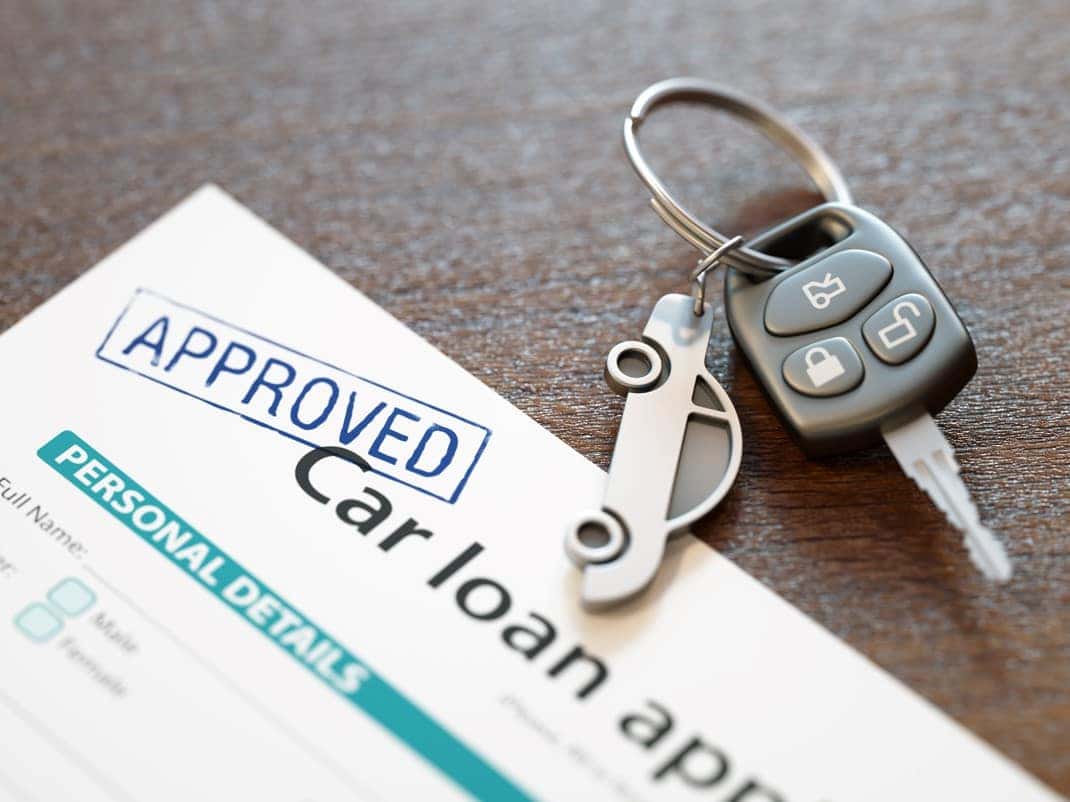 The down payment is the amount of money you have to come up with to secure a loan. The exact number is usually determined by the value of the vehicle. It’s commonly suggested that you put about 20% down, because this puts you ahead of the rate that the car depreciates and will make sure you don’t end up upside down on your loan.
So, if you’re financing a car that’s worth $10,000, it’s a good idea to budget for $2,000 down, then finance the rest.
Can I Use a Trade-In as a Down Payment?
Yes! Trading in your current vehicle is a great way to offset the initial cost of buying a new car, and if your trade is valued high enough, you may not even have to come up with any extra cash for a down payment.
Check out our guide on how to get the best trade-in value for your car.
What Does Being “Upside Down” on a Loan Mean?
When you’re upside down on a loan, it means that you owe more money than the car is actually worth, which is otherwise known as “negative equity.” Not good! We try to avoid this at all costs.
Getting upside down on a loan can happen if you put a small down payment on a large loan, or if the loan term is longer than usual, or if the car depreciates quicker than expected due to excessive wear and tear.
How Long is a Car Loan Usually?
The length of an auto loan is known as the “term,” and it’s usually anywhere from 4 to 7 years.
Some folks like to opt for a longer term, because this spreads the loan out and makes the monthly payments lower, which can help it fit better into your budget. However, you should be careful when doing this, because it also means that you’ll pay significantly more in interest over time, and it can increase the risk of being upside down later on.
Can I Pay My Car Loan Off Early?
Yes, and we often recommend it, as long as it fits into your budget. Paying off your loan early is the best way to lessen the total interest that you pay over the course of the auto loan, and this can save you hundreds, or even thousands of dollars in the long run.
What’s a Good Interest Rate on a New Car?
As with any loan, you’ll want to shoot for the lowest APR (annual percentage rate) possible, because this means you’ll pay less in interest every month. Average interest rates fluctuate over time, so you’ll need to do some research to determine what a “good” rate is when you take out a loan.
Your credit is the main factor in how much interest you pay. Broadly speaking, the better your credit score is, the lower your APR will be (there are other factors, such as the type of car you buy, but credit is the big one).
Can I Get a 0% Interest New Car Loan?
For shoppers who qualify, many dealerships are able to offer manufacturer incentives and special offers on new cars, which can include loans with low or even zero interest for a certain term.
Can I Get a New Car Loan with Bad Credit?
Absolutely! Dealership finance centers have a range of lenders that we work with, including many that specialize in shoppers who are currently working on their credit.
Do New Cars Have Lower Interest than Used Cars? 
One of the big advantages of financing a new car vs. a used car is that new cars usually come with lower interest rates. This is because new cars are worth more, so lenders can balance the higher cost with lower interest. They’re also seen as a less risky investment for lenders because they’re less likely to break down.
According to MarketWatch, as of October 2024, a person with a 700 credit score might get a 6.87% APR on a new car, whereas if they got a used car, they’d get a 9.36% rate on average. That’s a pretty big swing.
Is it Better to Finance with a Dealership or Bank?
When you decide to secure a car loan, you can either do it yourself through a bank, credit union, or other financial institution, or you can simply walk into the dealership and let the finance department do the heavy lifting. There are several benefits to financing through the dealer, including:
- It’s easier and requires less legwork on your part.
- You can rely on a finance professional’s expertise to find the best rate.
- Some bank lenders require you to know the exact model you want before they approve you, which can slow down the buying process.
- Some banks and other lenders will only let you buy a car from a dealership in their network.
- There may be more options for subprime credit.
Low Interest New Car Loans Near Jupiter, FL
Treasure Coast Toyota of Stuart is committed to making sure you go into the car buying process with eyes wide open, and our team of professionals is ready to set you up with the perfect new Toyota for sale near Hobe Sound. Don’t forget to ask about our college rebate program, too!
Do you have any other questions about financing a new car that we didn’t answer here? Feel free to reach out to our team at any time—simply contact us online or give us a call at (772) 283-8300.
0 comment(s) so far on Frequently Asked Questions About Financing a New Car