

Electric vs. Hybrid vs. Gas: Which is Right For You?
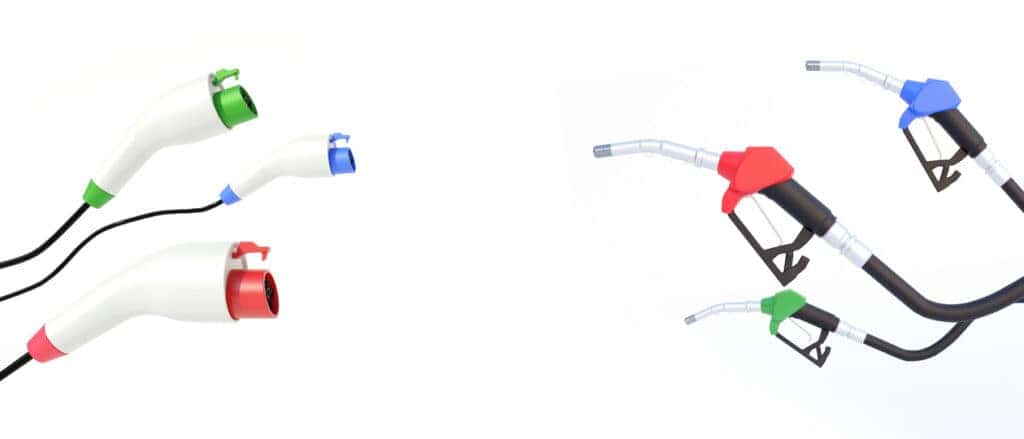
Figuring out how to pick the best car for you used to be a lot simpler, ecause there was only one real option—good ole internal combustion. Then, a couple decades ago, Toyota changed the game by introducing the world to hybrids with the Prius. Now, with an ever-increasing number of all-electric vehicles hitting the streets of the U.S., buyers are faced with more choices than ever before.
So, which is best? Hybrid? Electric? Gas? The truth is, there’s no one-size-fits-all answer, so let’s check out the pros and cons of each and see if we can’t help make the decision a little easier.
Electric
The newest category, also known as EVs or BEVs (Battery Electric Vehicles). These green machines are powered entirely by a high-voltage rechargeable battery, and they’re often notable for their tech-forward interiors and futuristic body styles. So, are electric cars worth it? Let’s talking about it.
| Pros | Cons |
|
|
Pro: Zero Reliance on Gas
Of course, one of the main things you’ll notice if you own an EV is that gas stations become a thing of the past. Unless you need some lotto scratch offs or you’re really craving a soda. Electric cars don’t even have a fuel tank, so you never have to pay attention to fluctuating gas prices again.
Pro: At-Home Charging
As long as you have the correct charger installed, you can simply plug your electric vehicle into your garage every night and wake up with a full battery. Meaning you could conceivably go weeks or even months without having to pay for a public charging station.
Pro: Super Acceleration
Electric powertrains are famous for providing near-instant torque, which translates to an extremely quick response when you push the “gas” pedal down.
Pro: Less Mechanical Parts to Fix and Maintain
Gas engines have hundreds of components, any of which can wear out with time, which means a trip to a service center. They also rely on fluids, like engine oil and transmission fluid, which need to be regularly changed out or replenished. Electric cars have none of that, which means less frequent visits to the auto repair shop.
Pro: Techy Accoutrements
Most EVs have some of the best infotainment and comfort features, which makes sense, because most of them are fairly new. Many automakers also tend to lean into the futuristic vibe that EVs are associated with.
Pro: Potential Tax Breaks
When you buy a new electric vehicle, you may be eligible for thousands of dollars in federal and state tax credits. It all depends largely on the supply chain of the resources that went into making your specific vehicle, and local credits will change based on where you live. When in doubt, you can always contact your local dealership for more details.
Con: Range Anxiety
Perhaps the biggest thing that deters would-be EV buyers is the worry that they’ll find themselves stranded with a depleted battery. However, battery technology is rapidly improving, and average EV ranges are steadily on the rise. For instance, the Toyota bZ4x boasts an estimated range of 252 miles, which is comparable to many gas-powered cars.
Con: Lack of Infrastructure
Depending on where you live, you may not have a lot of options for public EV charging. Owning an electric vehicle is easy if you live in a major metropolitan area with an abundance of chargers, but things can get a little trickier for folks living out in the country. You also have to be careful when taking a road trip, because without planning ahead, you may find yourself on a stretch of highway without good charger coverage.
Con: Longer Charge Times
Filling a gas tank only takes a few minutes, but recharging an EV battery can take about 30 or 40 minutes, which can be a bit of a pain.
Con: Higher Price Tag
Because the technology is relatively new, EVs tend to be more expensive than comparable gas models. This can effectively be offset by tax credits and other financial incentives, though.
Con: Sensitive to Extreme Weather
It’s common knowledge that batteries don’t like excessive heat or cold, and EV batteries are no exception. If you live in a place with a climate that skews too far either way, it can have a negative impact on your battery life.
Hybrid
Often seen as the best of both worlds, these gas-sippers utilize a mix of traditional fuel and a souped-up battery to provide maximum efficiency without totally reinventing the wheel.
| Pros | Cons |
|
|
Pro: Great Fuel Economy
The most oft-cited boon of hybrid cars is that they get absolutely outrageous gas mileage, particularly in the city. In fact, hybrids tend to get better economy in the city than the highway because of regenerative brake technology that assists the battery.
Pro: Reliable Engines
Hybrids are generally very reliable. The technology has been around long enough for manufacturers to perfect things and work out the kinks. Their combo of traditional engines and long-lasting batteries makes them just as reliable as gas cars, if not more so.
Pro: Long-Term Warranties
Buying a new hybrid or one that’s still under factory warranty gives you the benefit of extensive battery coverage.
Pro: Reduced Emissions
As the original green car, hybrids are more likely to be compliant with ever-stricter environmental regulations. Plus, let’s be honest, we should all care about nature, right?
Pro: A Quiet Ride
If hybrid-electric motors make a sound, it isn’t usually audible from inside the cabin. In fact, many new hybrid owners have to adjust to the fact that they can’t tell if their car has actually started because it hardly makes a peep when firing up. Because of the reduced engine noise, hybrids also tend to have more advanced soundproofing, which results in less road chatter at high speeds.
Pro: Solid Resale Value
These cars are among the most sought-after vehicles on the market, which means they hold their value very well.
Pro: Plug-In Option
Do you want to try fully electric driving, but you’re not totally sold on EVs? Plug-in hybrids like the Prius Prime offer the best of both worlds, with decent fuel economy and beefed-up battery cells that allow you to drive for 30 or 40 miles without burning an iota of gas.
Con: More Costly Than Gas Models
Since they’re widely desired and cost more to make, another downside of hybrid cars is that they are usually a few grand more expensive than the analogous pure-gas versions.
Con: Battery Replacement
Eventually, all hybrids will need their batteries replaced, and if it’s not covered under warranty, it’s going to be a hefty bill for whoever has to pay it.
Shop Toyota Hybrid Models in Stuart
Gas
Tried and true, these vehicles are powered by internal combustion engines (ICE). They may not be the most gas-friendly or eco-conscious, but their long history with American drivers still makes them the most popular variety of powertrain, for now.
| Pros | Cons |
|
|
Pro: Lowest Price Tag
The technology’s been around for a long, long time, and automakers have figured out how to craft ICE engines in the most efficient way possible without cutting corners. Gas engines also require less resources to manufacture compared to battery electric technology. They get to pass all of this efficiency and savings onto the buyer in the form of a modest price tag.
Pro: Gas Stations on Every Corner
No matter what corner of the country you live in, you can rest assured that there’s a place to refuel. For the time being, the same can’t be said for EV charging stations.
Pro: Goes Anywhere
Range anxiety tends to not bother drivers of fuel-motivated vehicles, because they know that there’s nearly always a gas station within driving distance. And, if all else fails, you can carry a gas can along for the ride, which allows you to fill up in a pinch.
Pro: Proven Track Record
Modern EV tech is plenty dependable, but some folks still like the comfortability and peace of mind that comes with an old-school powertrain.
Pro: Easier to Work On
We always recommend using a certified service center, but most mechanics have at least a passing idea of what’s going on under the hood of a gas-powered car, whereas a hybrid or electric vehicle may leave them stumped.
Con: Poor Fuel Economy
While there are plenty of ICE cars that return solid gas mileage like the RAV4, they generally can’t compete with hybrid versions of the same model.
Con: More Regular Maintenance
Regular maintenance is part of the deal when you own any car, but gas-powered ones cost more money to maintain on a yearly basis because they have more mechanical components, many of which also require regular fluid changes.
Con: Soon-to-Be Phased-Out Technology
The writing is officially on the wall, and nearly all major auto manufacturers are planning to leave the ICE engine behind in the near future. However, gas engines still probably have another decade in the limelight at least.
Gas, Hybrid, or Electric: Which is Right For You?
It’s a big decision, but lucky for you, we have a wide variety of available powertrains stocked at Treasure Coast Toyota of Stuart. Contact us online to speak with one of our friendly professionals, and be sure to ask us about our awesome special offers on new vehicles.
0 comment(s) so far on Electric vs. Hybrid vs. Gas: Which is Right For You?